

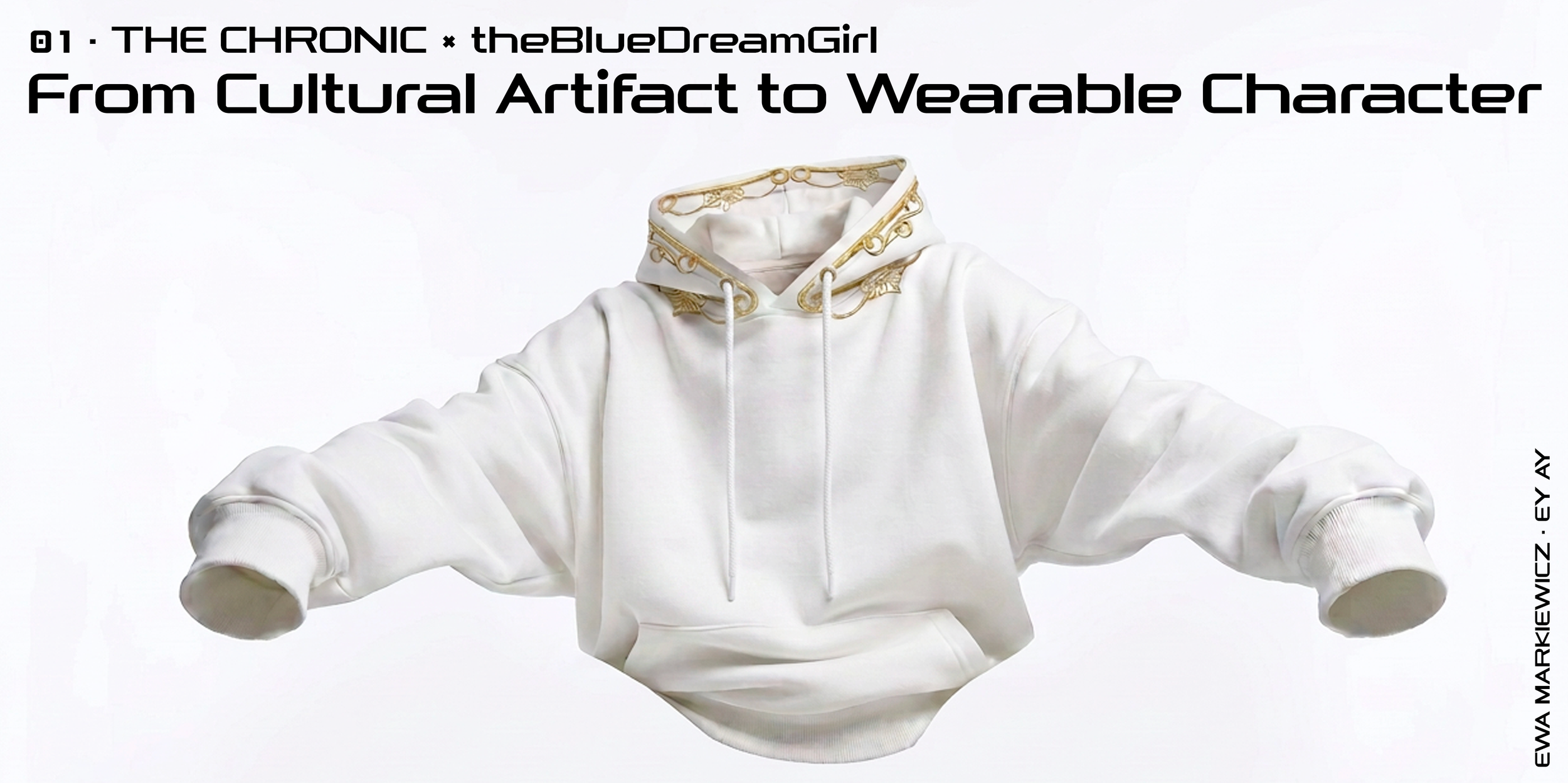
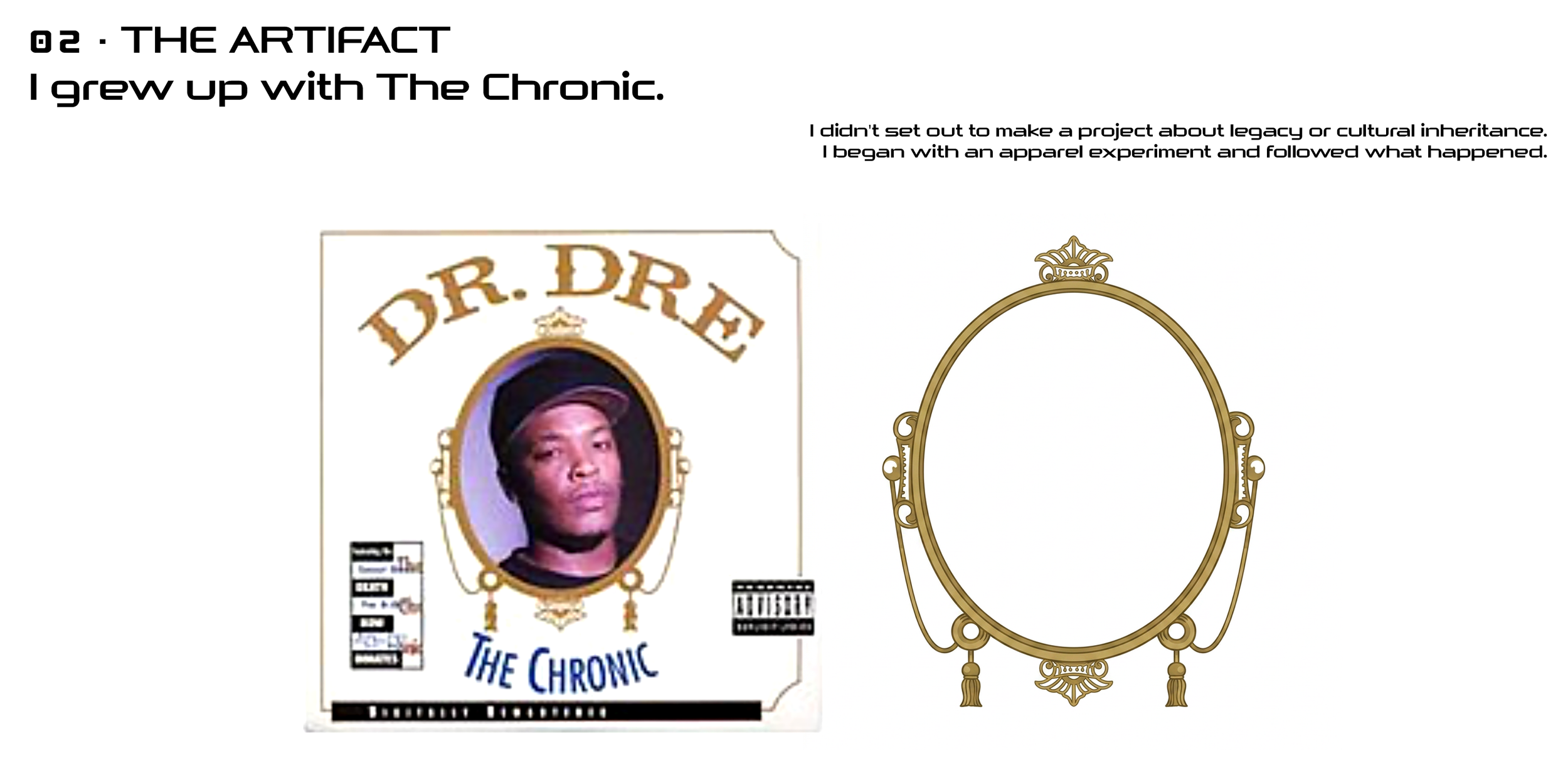
I developed this while working on an apparel concept inspired by The Chronic. Before I share the project more broadly, I wanted to try to get it in front of you first because the original work is central to where the idea came from.
I traced the visual lineage back through the Zig-Zag reference and became interested in what happens when that frame migrates again, this time into character and eventually into the physical architecture of a garment. I developed it as an independent concept study, not official merchandise or an affiliation.
I wanted you to see it in the spirit in which it was made: with enormous respect for the cultural artifact that started the exploration.
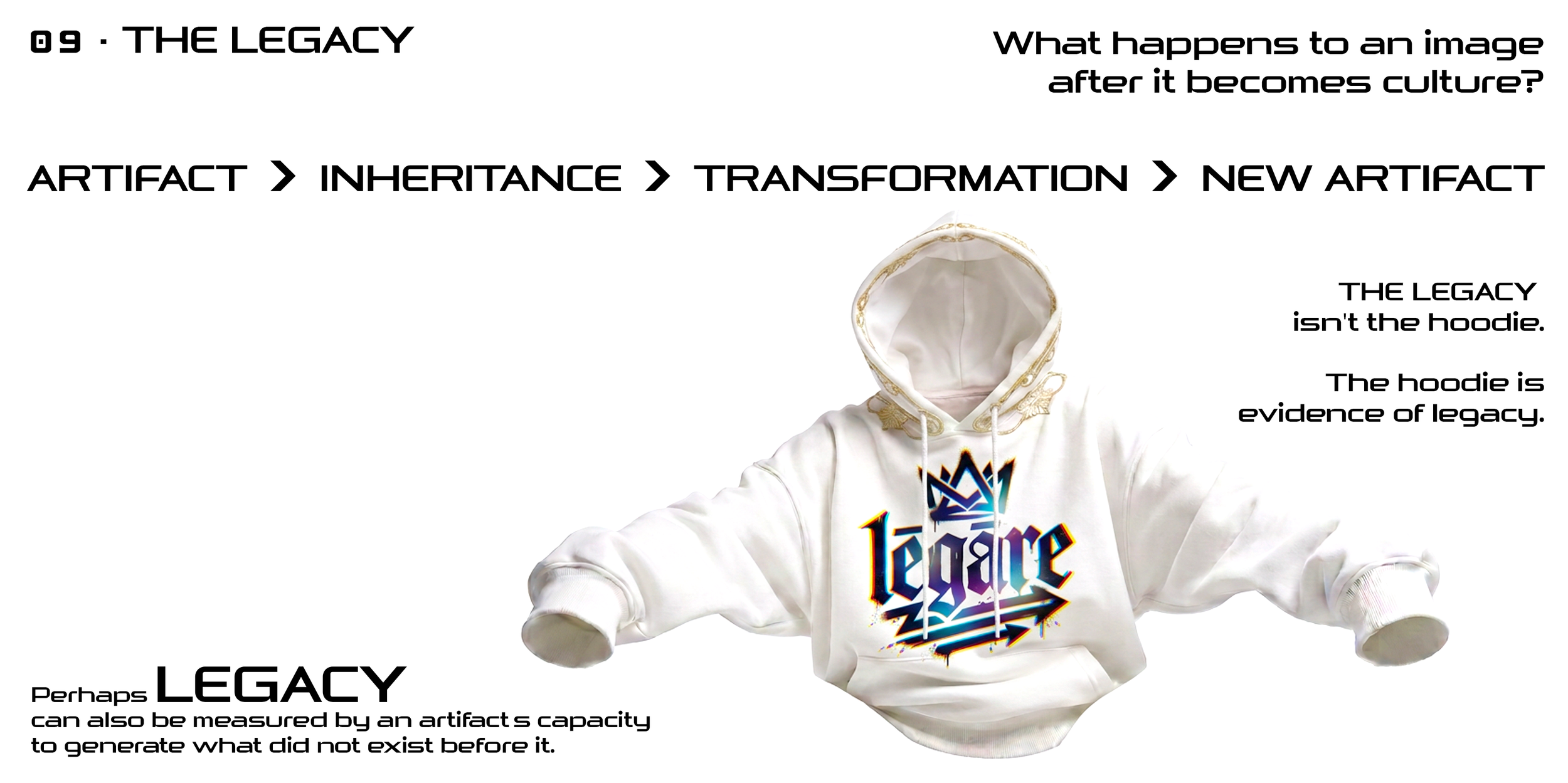
THE LEGACY
What happens to an image after it becomes culture?
A cultural artifact does not stop moving when it is finished.
It enters memory.
It is seen, heard, worn, repeated, sampled, referenced and absorbed. It moves through people who may encounter it years, even decades, after its original moment.
And sometimes, it creates again.
That is where this study begins.
The Chronic entered culture in 1992 as more than an album. Its music, language and visual identity became part of a cultural vocabulary that continued long beyond its release.
Decades later, I encountered that visual language again.
Not as something I intended to reproduce, but as something that unexpectedly triggered another act of creation.
I extracted.
Reframed.
Recontextualized.
The portrait changed.
The character changed.
The medium changed.
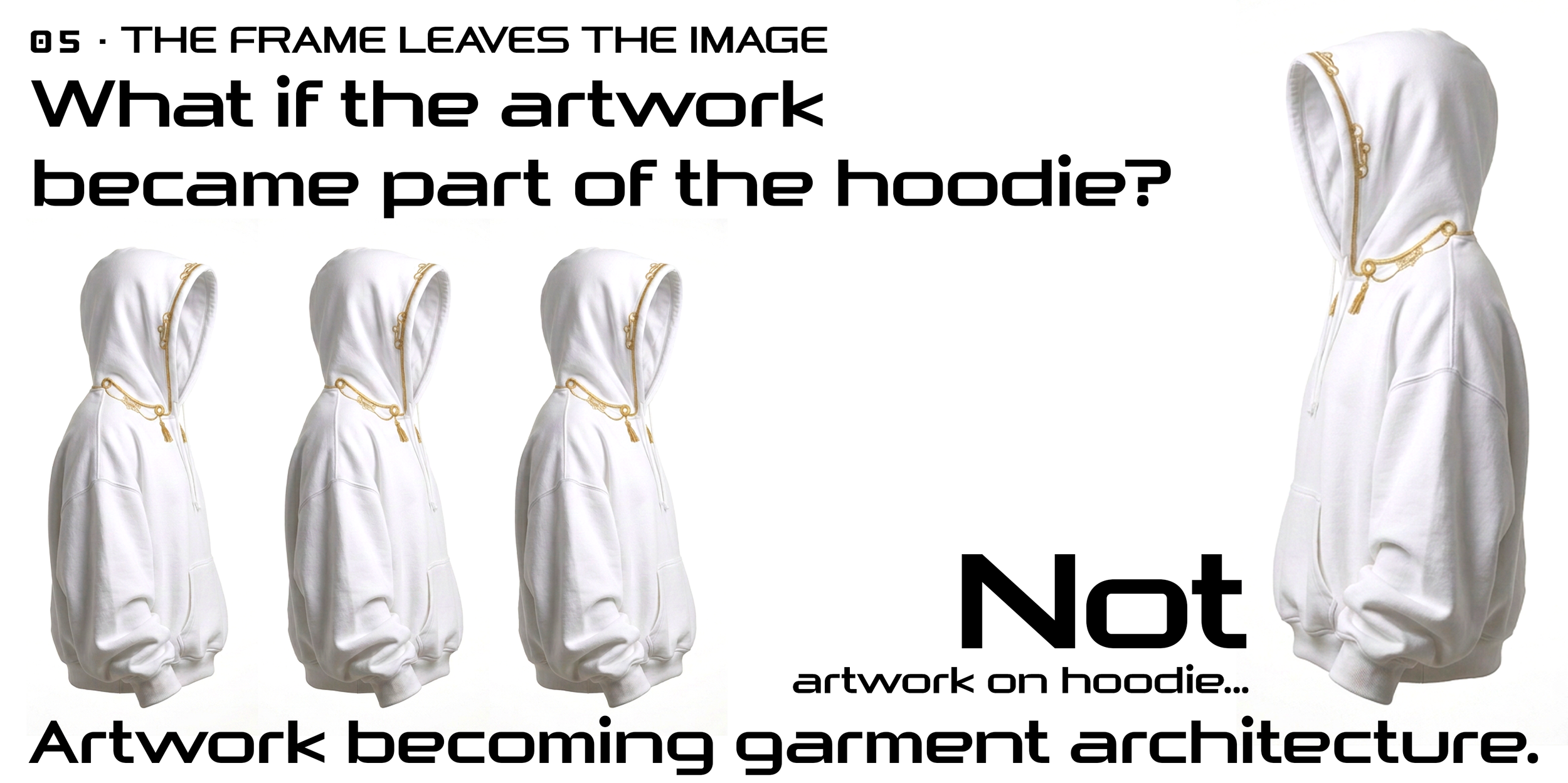
Eventually, the image left the image altogether and became part of the architecture of a garment.
And while following that transformation, I discovered something important:
The Chronic had already done this before me.
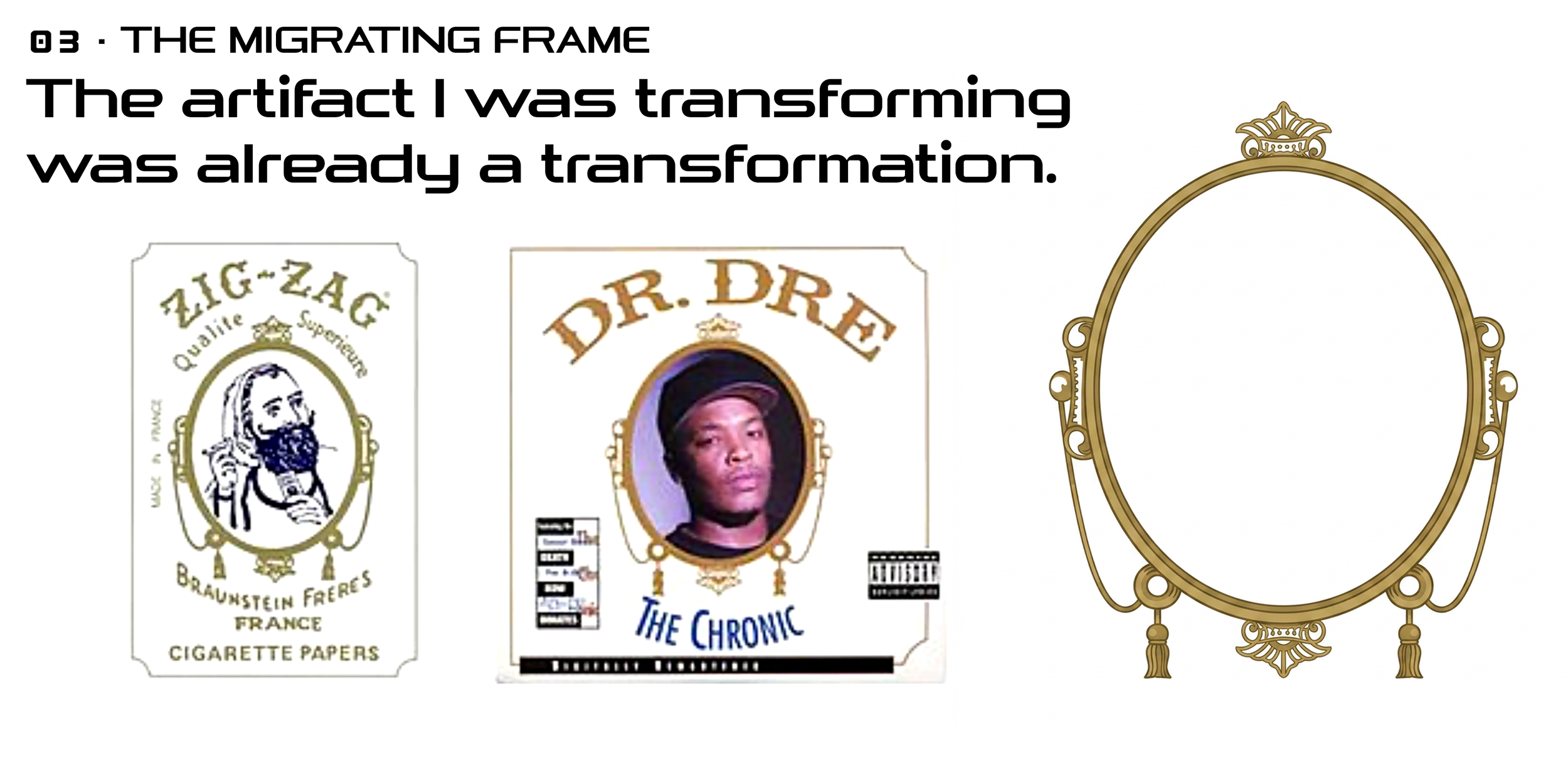
Its iconic cover itself carries forward the visual architecture of Zig-Zag rolling-paper packaging, replacing one portrait and context with another while preserving enough of the original structure for its ancestry to remain recognizable.
The artifact I was transforming was already a transformation.
And suddenly the project became about something larger than a hoodie.
LEGACY IS NOT STILL.
It moves through culture by being encountered again.
Something survives.
Something changes.
Something new enters.
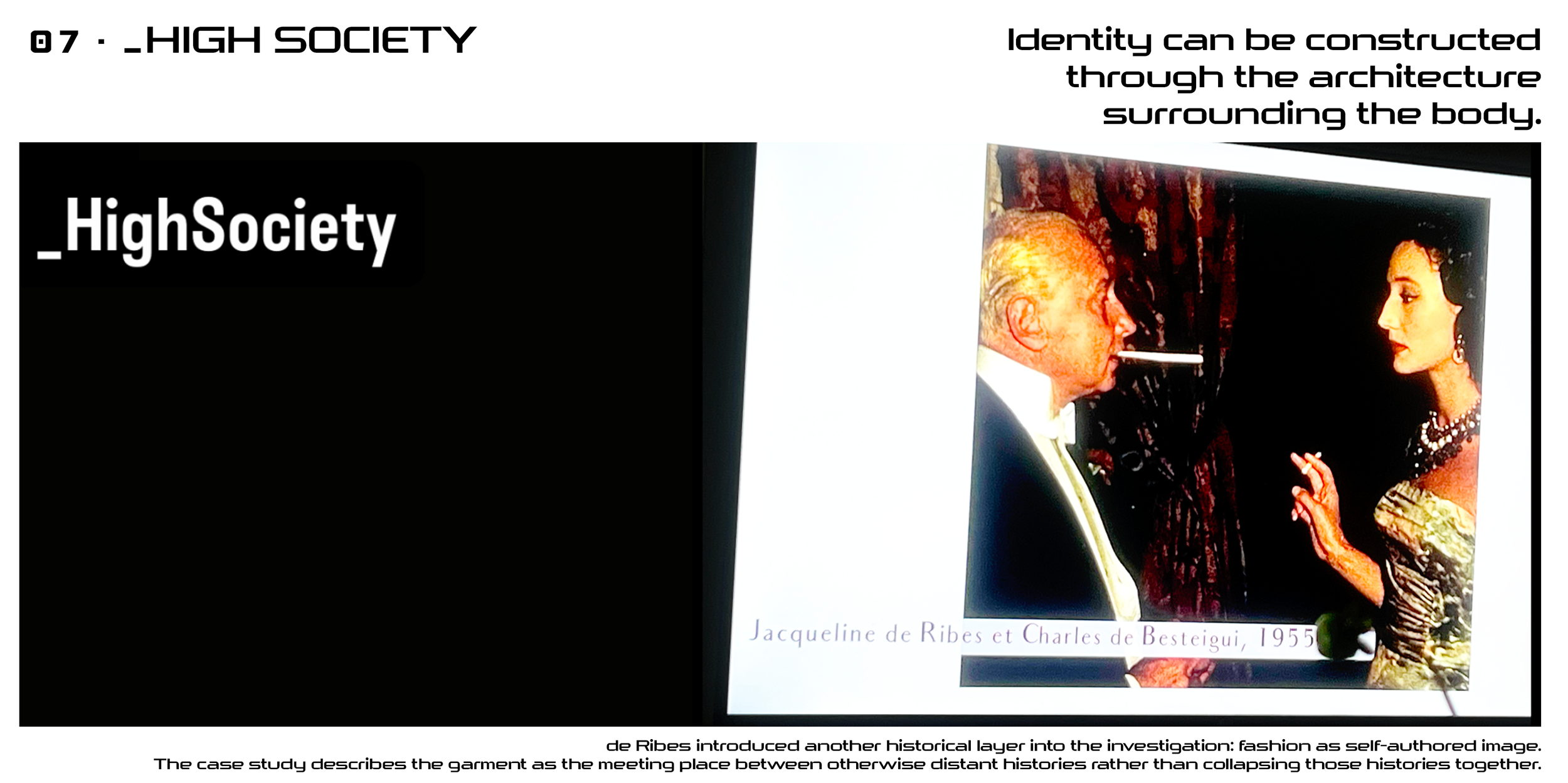
Zig-Zag → The Chronic → theBlueDreamGirl → garment → wearer → artist → ?
The frame migrates from packaging to album artwork, from album artwork to character, from character to garment.
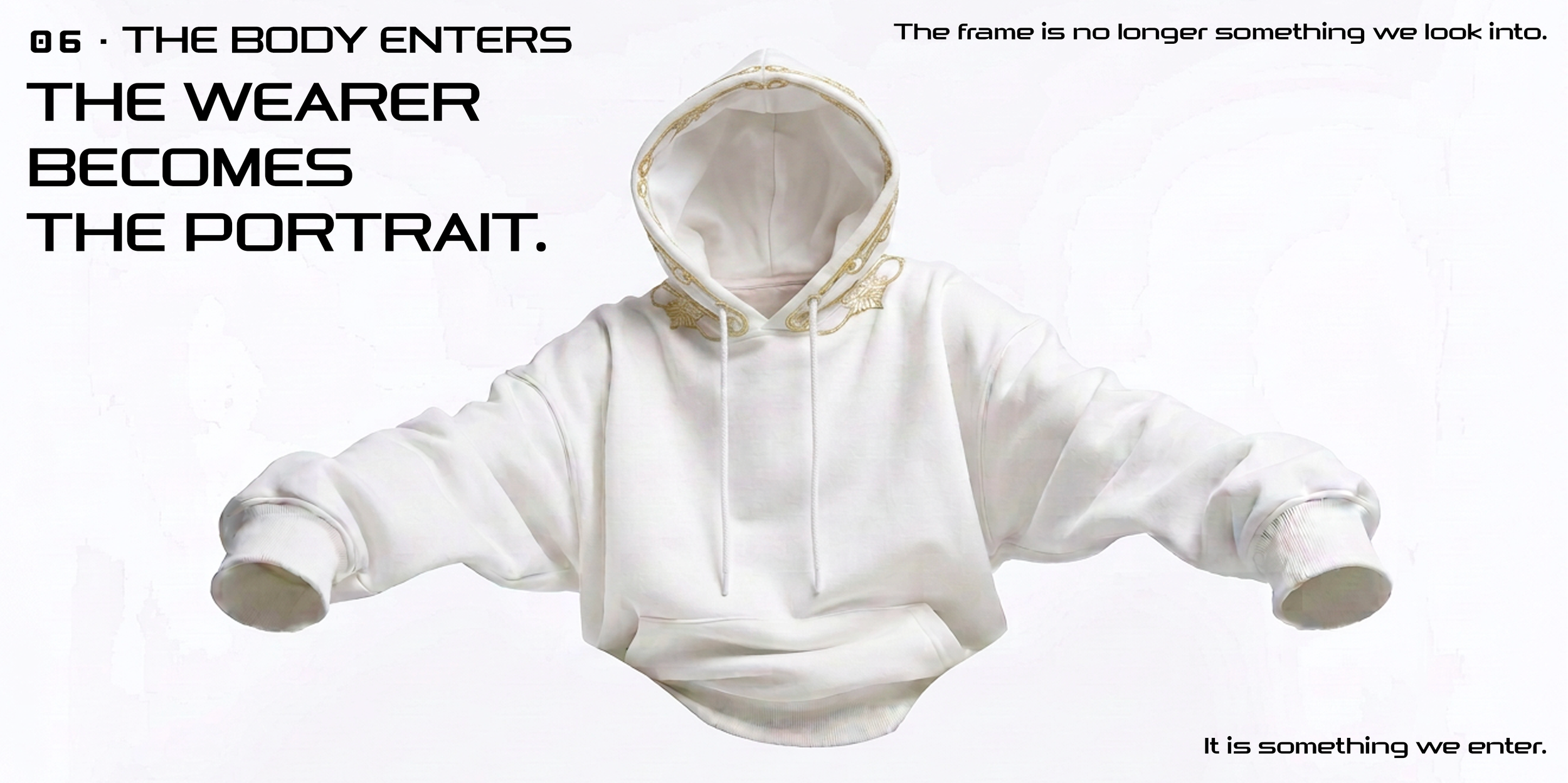
Eventually, it stops depicting a portrait and physically surrounds one.
The wearer becomes the portrait.
And now another possibility has appeared.
The garment itself can become a canvas for other artists, allowing the architecture to be interpreted again and again through entirely different creative languages.
The frame continues migrating.
So perhaps legacy is not simply the preservation of an artifact.
Perhaps legacy can also be measured by an artifact's capacity to generate what did not exist before it.
A cultural work passes through another imagination.
The next person does not receive a finished sentence.
They receive material with which to continue speaking.
THE LEGACY
artifact → inheritance → transformation → new artifact
What began as homage became an investigation.
What began as an image became architecture.
What began as architecture became a system for collaboration.
And what comes next cannot yet be designed.
That is the point.
THE LEGACY CONTINUES → ?
This feels like the page. ⚡️
And I particularly want to preserve “The artifact I was transforming was already a transformation.” That's the hinge between THE LEGACY and THE MIGRATING FRAME.
Then the next page can almost brutally cut to:
THE MIGRATING FRAME
Because now The Chronic itself is already doing precisely the operation we're describing.